Why Weekend Projects Work So Well in 2026
Sometimes you just need to unplug. A good weekend DIY project gives the whole family a reset away from devices, schedules, and distractions. It’s a rare pause button that actually brings people closer. Every task, whether it’s gluing, painting, or just sorting supplies, becomes a chance to talk, joke, and build something real together.
These projects aren’t complicated. They don’t need tech. What they do need is teamwork. Kids learn patience. Adults rediscover creativity. And everyone walks away with a shared win something you made together, from scratch. Better yet, they don’t cost much. Just some recycled materials, a few tools, and an hour or two of your time.
You won’t remember the YouTube rabbit hole you went down last weekend. But you will remember the crooked birdhouse, wild tie dye shirts, or the puppet show that had everyone laughing. These are the moments that stick.
Personalized Family T Shirts
Nothing says ‘team spirit’ like matching family t shirts especially when you’ve made them yourselves. This creative project is easy to pull off, mess friendly, and full of opportunities to bond.
What You’ll Need
Plain cotton t shirts (any color works)
Fabric paint or markers
Iron on transfer paper (if printing designs)
Paintbrushes, stencils, or sponges for added flair
Why It’s a Crowd Favorite
Makes for fun family photos and themed celebrations
Offers everyone a chance to showcase their creativity
Lightweight setup with minimal cleanup required
Make It More Meaningful
Have a theme: nature, superheroes, inside jokes, etc.
Add each family member’s name or a shared family motto
Let younger kids lead the design it encourages ownership and a sense of contribution
This project also turns into a wearable memory. Every time someone puts on their shirt, they’re wearing a little piece of that creative weekend together.
DIY Bird Feeders
This one’s a classic with purpose. Grab those peanut butter jars, milk cartons, or pinecones you’re about to toss it’s time to turn them into bird feeders. A bit of string, some seeds, and you’ve got a handmade welcome mat for your neighborhood birds. It’s simple, quick, and instantly rewarding.
Beyond the craft, you’re opening a door to nature education. Set the feeder somewhere visible, then pull out a local bird guide or app and see who shows up. Want to level it up? Start a family birdwatching journal. Kids can draw what they see, jot down notes, and come back to compare over time. It’s hands on learning disguised as weekend fun.
Painted Rock Story Garden
This one’s a quiet hit. You gather a few smooth rocks, some paint or markers, and the afternoon’s wide open. Each rock becomes a chapter in a story your family makes up together pirate treasure, monster sightings, a garden gnome mystery, whatever the group dreams up. It’s storytelling with a tactile twist, and younger kids especially love watching their part of the tale come to life.
Painting sharpens focus and gives kids total creative control. And since it all happens outside, it folds in some fresh air and natural exploration too. Line the finished rocks up in the flowerbed, make an ever growing path in the yard, or hide them around the neighborhood with tiny notes on the back. There’s no wrong way to do it as long as the story keeps growing.
Homemade Slime Lab
Get ready for one of the most beloved DIY activities making slime! This hands on project is a favorite for kids and doubles as a super fun way to introduce some basic chemistry concepts.
What You’ll Need:
White school glue
Baking soda
Contact lens solution (with boric acid)
Optional: food coloring, glitter, beads, or foam balls for texture
Step by Step Fun
- Pour glue into a mixing bowl.
- Add a pinch of baking soda and stir well.
- Mix in food coloring or glitter if desired.
- Slowly mix in contact lens solution until the slime firms up and pulls away from the bowl.
Let kids experiment responsibly with their own textures and colors. Want crunchy slime, buttery slime, or galaxy swirl? This is your lab go creative!
What Kids Learn
Basic chemical reactions: see how substances combine to form new textures.
Sensory play benefits: helps improve fine motor skills and focus.
Trial and error thinking: small tweaks create big changes in the final product.
This activity is both messy and magical a perfect weekend win that stays off the screen.
Push the blanket fort game into legendary territory by building out separate “rooms” for each family member. Use extra chairs, couch cushions, and larger blankets to create mini zones maybe a reading nook for one, a pillow pile for another, or even a quiet snack den for the group strategist. Each area can reflect its occupant’s personality, giving everyone their own space inside the shared build.
To make it even more immersive, add battery powered string lights or push lamps for soft lighting. A snack station stocked with popcorn, trail mix, or juice boxes turns the whole setup into an all day hangout. The goal? Create a mini indoor village that’s cozy, fun, and surprisingly easy to build over a lazy weekend.
Memory Jar Craft
Start with any jar mason, pickle, or whatever’s clean and spare. The goal isn’t perfection; it’s presence. Give everyone some say in the design: permanent markers, paint pens, scrap fabric, stickers. You’re not crafting Pinterest level decor, just something that feels like ‘yours.’
Each week, every family member writes down one small memory or something they’re grateful for. Could be anything from “the pancakes turned out fluffy” to “we beat Dad at Uno.” Fold it, drop it in.
By season’s end, you’ll have a time capsule full of overlooked highlights. On a quiet night, read them out loud. Laugh. Reflect. This simple habit doesn’t just spark gratitude it creates a low stakes ritual you’ll actually look forward to.
No phones. No budget. Just paper, pens, and a little time together.
Recycled Art Sculptures
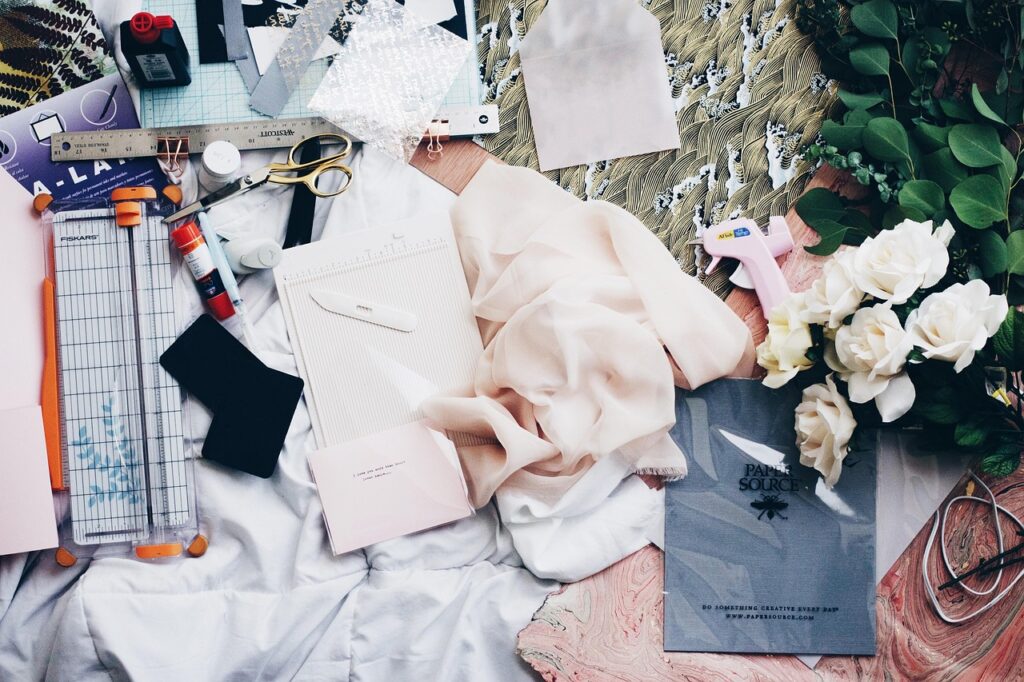
This one’s all about letting loose with leftovers. Grab cardboard scraps, bottle caps, plastic containers any clean junk you’ve been meaning to toss and challenge the family to turn it into something wild. Dinosaurs, aliens, fantasy creatures there are no rules, just imagination and a hot glue gun (or tape if you’re keeping it kid safe).
As everyone builds, it’s a great moment to talk about upcycling. Not in a lecture y way, just a quick conversation on how creative reuse helps keep stuff out of landfills. Younger kids get hands on with materials while learning the value of turning “trash” into treasures. Bonus points if you turn your creatures into a gallery or story world for future play.
Cheap. Easy. Surprisingly meaningful.
Design Your Own Board Game
No batteries, no Wi Fi, just pure imagination. Start with a big sheet of cardboard and sketch out a game board. Keep it simple or go wild it’s your family’s universe. Then come up with rules, draw up some cards, and invent your cast of characters. Maybe it’s a race through a magical treehouse. Maybe it’s a strategy game about stealing cookies from the kitchen without getting caught. There are no wrong answers here.
The real beauty? The fun doesn’t stop after the scissors and glue get put away. You play it again and again, refining the rules as you go, adding new twists. This isn’t just a craft; it’s a family tradition in the making.
Need more screen free inspiration? Check out How to Plan an At Home Family Game Night That Everyone Will Love
Tie Dye Everything
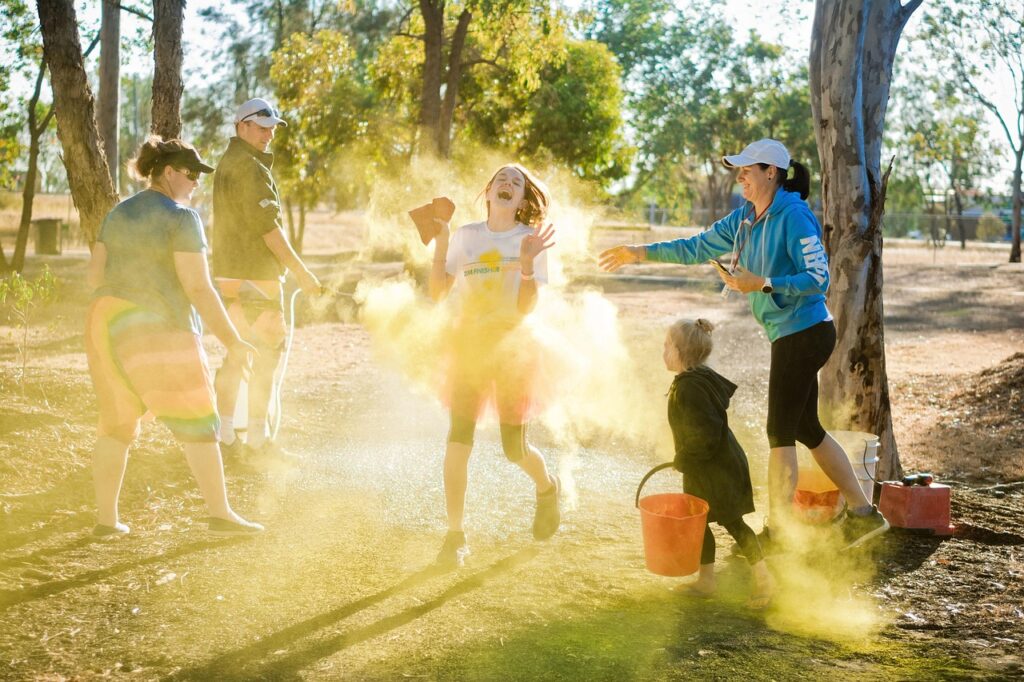
Grab the rubber bands and buckets tie dye is still riding high, and in 2026, it’s louder, bolder, and everywhere. T shirts are just the beginning. Families are going after pillowcases, tote bags, and even old quilts they want to bring back to life. No fabric is off limits.
What’s hot this year? Color patterns are all about bold gradients and controlled chaos. Think sunset fades, seafoam spirals, and neon galaxy swirls. Popular palettes lean into retro vibes with an edge burnt orange with hot pink, electric blue with acid green. Even earth tones are getting a twist, showing up in natural dyes like turmeric and beetroot for a softer aesthetic.
This is a low stakes, high reward project. Easy setup, satisfying results, and it doesn’t matter if it’s perfect. Let the kids go wild. Let the mess happen. That’s half the point.
Clay Creations
Create, mold, and imagine clay crafts are a hands on way for the whole family to explore creativity while having serious fun. Whether you’re using oven bake clay or air dry options, this activity lets everyone bring their ideas to life in 3D.
What You Can Make
Miniature figurines: Animals, cartoon characters, or custom creatures
Family mascot: Design a sculpture that represents your family spirit
DIY jewelry: Beads, necklaces, keychains, or pins
Mini plant pots or trinket dishes: Functional and decorative
Why It Works
Strengthens fine motor skills (especially for younger kids)
Encourages imagination and storytelling through sculpture
Pieces can be collected, gifted, or displayed at home
Tips for Success
Use a non stick surface like wax paper or a silicone mat
Have toothpicks or sculpting tools ready for added detail
Bake or dry according to the clay’s instructions, and always supervise younger kids with oven use
Creating clay art gives families something tangible to remember the weekend by especially when everyone proudly shows off their tiny masterpieces.
Backyard Bug Explorer Kits
Turn your backyard into a mini science lab. Using simple materials think clear plastic lids, paper towel tubes, and magnifying film you can make DIY bug viewers that feel just high tech enough to excite younger explorers. Pair those with handmade bug journals (fold some printer paper in half, staple the edge, and label pages by category like “Crawlers,” “Fliers,” or “Strange Finds”) and you’ve got a full on field kit.
This project does more than fill an afternoon. It connects kids with the natural world in a hands on, curiosity driven way. You’re not just looking at bugs you’re learning what they eat, where they live, and how they fit into the ecosystem right around your home. Bonus: stealthy handwriting and sketching practice? Absolutely. No screens required.
Popsicle Stick Engineering
This one’s more than just fun it’s a quiet intro into architectural thinking. Grab a pile of popsicle sticks, some glue, maybe a few rubber bands, and give everyone a simple challenge: build a bridge that can hold a toy car, or design a mini house with a working door. Picture frames are also a fast favorite simple to make, and perfect to display art from that same weekend.
Beyond the glue and sticks, kids start picking up concepts like load bearing structures, symmetry, and basic design logic without knowing they’re doing it. Keep it relaxed, but don’t be afraid to drop terms like “foundation,” “span,” or “support.” It’s messy in the best way, and the results wobbly or solid are all wins.
Painted Pot Herb Garden
Add life, color, and flavor to your home by turning your weekend into a mini gardening adventure. This project is simple enough for all ages, and it offers a lasting reward: fresh herbs you can actually use in family meals.
Step 1: Paint Your Pots
Get out the acrylic paints, brushes, and sealant. Encourage each family member to express their personality with color and design. You can even assign specific herbs to match certain themes mint for cool tones, basil for earth tones, and so on.
Use terracotta or ceramic pots for best results
Apply a sealant after painting to protect against water damage
Add names, doodles, or inspirational quotes to personalize the space
Step 2: Plant & Learn
Once your pots are dry, it’s time to plant!
Choose beginner friendly herbs like basil, parsley, mint, or chives
Talk about sunlight, watering, and growth cycles
Create custom plant markers with popsicle sticks or painted stones
Step 3: Cook Together Using Your Harvest
Bonding doesn’t stop when the paint dries. As your herbs grow, incorporate them into family meals. You’re creating a full circle connection that links creativity, responsibility and taste!
Make mini pizzas with homegrown basil
Mix herbs into homemade dips or butters
Celebrate “harvest day” with themed dinners or picnics
This project not only boosts creativity and teamwork, but it also encourages healthy eating and mindfulness about where food comes from.
Pro tip: Start a “Herb Garden Log” to document growth weekly as a family activity.
Sock Puppet Theater
Grab a pile of lone socks, buttons, and fabric scraps it’s puppet making time. Each family member crafts their own character, from silly monsters to misunderstood villains. Glue on some googly eyes, stitch a yarn smile, and let personalities shine through whatever’s in the craft bin.
Once everyone’s creations are finished, set the stage. A couch cushion backdrop with a flashlight spotlight is all you need. Then it’s showtime. Let kids narrate, parents improvise, or mix it up with scripted skits. No script? No problem. The goal is to have fun, not win an Oscar.
This project is perfect for rainy weekends, snow days, or when screens need a break. Bonus: if you record the performance, you’ve just made the next family vlog episode or holiday keepsake.
Puzzle Piece Wall Art
Start with a large blank puzzle wood or sturdy cardboard works best. Give each family member their own piece to decorate however they want. Paint, markers, handprints, stickers anything goes. The beauty here is in the individuality. One piece might be abstract, another could have a quote or inside joke. There are no rules except: make it yours.
Once everyone’s done, put the puzzle together and hang it up somewhere visible. It won’t just be wall art it’s a snapshot of your family’s creativity and personality in one colorful, collaborative project. Easy to make, hard to forget.
 Chloe Weiseriter is the kind of writer who genuinely cannot publish something without checking it twice. Maybe three times. They came to parenting tips and advice through years of hands-on work rather than theory, which means the things they writes about — Parenting Tips and Advice, Support Resources for Parents, Child Development Insights, among other areas — are things they has actually tested, questioned, and revised opinions on more than once.
That shows in the work. Chloe's pieces tend to go a level deeper than most. Not in a way that becomes unreadable, but in a way that makes you realize you'd been missing something important. They has a habit of finding the detail that everybody else glosses over and making it the center of the story — which sounds simple, but takes a rare combination of curiosity and patience to pull off consistently. The writing never feels rushed. It feels like someone who sat with the subject long enough to actually understand it.
Outside of specific topics, what Chloe cares about most is whether the reader walks away with something useful. Not impressed. Not entertained. Useful. That's a harder bar to clear than it sounds, and they clears it more often than not — which is why readers tend to remember Chloe's articles long after they've forgotten the headline.
Chloe Weiseriter is the kind of writer who genuinely cannot publish something without checking it twice. Maybe three times. They came to parenting tips and advice through years of hands-on work rather than theory, which means the things they writes about — Parenting Tips and Advice, Support Resources for Parents, Child Development Insights, among other areas — are things they has actually tested, questioned, and revised opinions on more than once.
That shows in the work. Chloe's pieces tend to go a level deeper than most. Not in a way that becomes unreadable, but in a way that makes you realize you'd been missing something important. They has a habit of finding the detail that everybody else glosses over and making it the center of the story — which sounds simple, but takes a rare combination of curiosity and patience to pull off consistently. The writing never feels rushed. It feels like someone who sat with the subject long enough to actually understand it.
Outside of specific topics, what Chloe cares about most is whether the reader walks away with something useful. Not impressed. Not entertained. Useful. That's a harder bar to clear than it sounds, and they clears it more often than not — which is why readers tend to remember Chloe's articles long after they've forgotten the headline.