Set the Right Mood Without Overcomplicating It
Creating the right atmosphere doesn’t have to be stressful or time consuming. A welcoming, focused vibe can make all the difference between a chaotic evening and a memorable one.
Designate Your “Game Night Zone”
Pick a consistent spot where game night happens. This helps everyone mentally switch gears and makes the event feel more intentional.
It could be the living room, the dining table, or even a cozy spot with floor cushions and blankets
Clear the space of distractions like television noise or unnecessary clutter
Let the family help set up the zone it builds excitement and ownership
Choose Cozy, Screen Free Lighting
Lighting sets the tone instantly. Too bright and it feels rushed, too dark and people lose focus. Aim for warm, relaxed lighting.
Use lamps, candles (safely), or string lights to create a soft, inviting glow
Avoid screens unless the game requires them this helps reduce outside distractions
Keep Prep Simple and Special
You don’t need Pinterest worthy snacks or decor. Small touches go a long way when they feel intentional.
Mix up a few easy snacks (think popcorn, fruit slices, or trail mix)
Lower the lights a bit before starting it signals game time has begun
Encourage everyone to put phones away to stay present
The goal here is to make it feel like something to look forward to, not another task to manage. With just a few small changes, you’ll transform an ordinary evening into quality family time.
Pick Games That Match Your Family’s Style
Choosing the right game can make or break your family game night. The goal? Keep things age appropriate, fun, and fair without anyone feeling bored or left out.
Match Games to the Age and Energy Level
No one wants to sit through a slow moving game that’s too advanced or too simple. Tailor your picks to your family’s current stage:
Younger kids: Try quick play card games like Uno, Go Fish, or Spot It! that are easy to learn and fun to repeat.
Older kids and teens: Introduce more complex strategy games like Carcassonne, Ticket to Ride, or Codenames that keep them thinking and engaged.
Opt for Cooperative Over Competitive (Sometimes)
Not every game night needs a clear winner. Cooperative games can encourage teamwork and reduce drama:
Pandemic (lite versions available for younger players)
Outfoxed! (great for early elementary)
Forbidden Island
These games promote shared goals and group problem solving, making it less about who wins and more about how you play.
Try What’s Trending in 2026
Game styles evolve and so do your choices. Keep things fresh by incorporating new family friendly hits:
StoryStackers A build your own adventure card game with branching plots for all ages
Circuit Clash A quick strategy game with tech theme appeal for screen savvy kids
Flip Frenzy A fast paced matching game popular among elementary age families
Share the Power: Rotate Game Picking
To prevent game night power struggles, let each family member take turns choosing the weekly game. This rotation:
Ensures everyone feels included
Exposes your crew to different types of games
Keeps boredom at bay by adding variety
Tip: Create a “game picker schedule” so even the youngest members know when their turn is coming up.
The secret to a winning night? Select games that meet your family where they are and let everyone have a say.
Keep Everyone Engaged (Yes, Even the Teens)

Getting the whole family invested in game night can be a challenge especially when attention spans and interests vary. But with a few smart strategies, you can make sure everyone genuinely wants to participate, from toddlers to teens.
Warm Up with a Quick Game
Start the night with something light and easy. A short, no pressure warm up game can help ease everyone in without committing to something long right away.
Choose something familiar and fast paced like charades or “Would You Rather”
Keep it to 5 10 minutes to build energy without fatigue
Use warm ups to shake off the day and settle into fun mode
Prioritize Laughter, Not Winning
Game night isn’t about keeping score it’s about keeping spirits high. When the atmosphere is playful, participation skyrockets.
Celebrate funny moments, not just victories
Choose games that encourage silliness or creativity (think Pictionary or reverse charades)
Let go of intense competition to keep things light and inclusive
Let Kids Take the Lead
When kids have a stake in the experience, they’re more likely to stay involved. Rotate roles and give everyone a chance to contribute.
Assign roles like “game picker,” “scorekeeper,” or “snack captain”
Let them explain the rules (even if you already know them)
Giving them ownership turns game night into something they feel proud of
By starting with ease, focusing on fun, and letting everyone from the youngest to the oldest play a part, you’ll turn game night into something truly engaging for the entire family.
Create Simple Traditions That Stick
The magic of family game night isn’t in elaborate plans it’s in showing up, again and again. Whether it’s every Friday evening or one Saturday a month, the key is choosing a schedule that realistically fits your family’s rhythm. Once it’s set, guard it like any other important appointment. It sends the message: this time matters.
Themes are an easy way to keep things fun without piling on work. Pajamas? Done. Everyone brings their favorite snack to sample? Instant win. Maybe one week it’s retro games, the next it’s new releases or “games from the kids’ childhood.” The goal isn’t to impress it’s to make memories.
Don’t wait for a perfect evening or every family member to be in the best mood. The best traditions are built on consistency, not perfection. Keep it simple. Keep it regular. That’s what sticks.
Bonus Tip: Balance Indoors with Outdoors
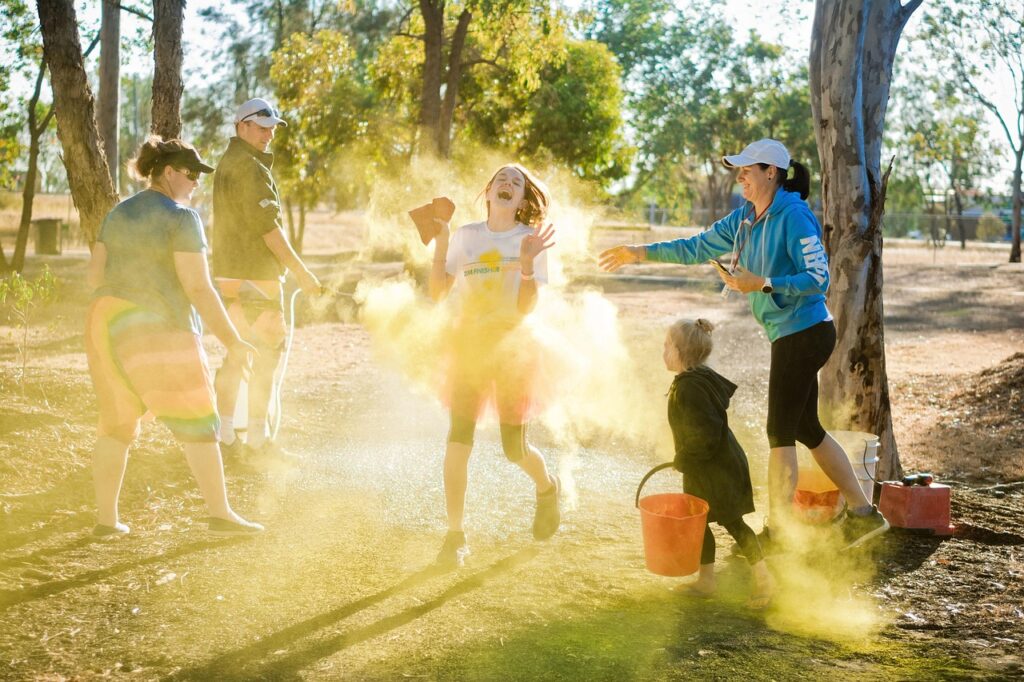
Game night is great but it doesn’t have to end in the living room. If your family thrives on quality time, take that same energy outside. A simple nature walk can turn into a storytelling session or an impromptu treasure hunt. Scavenger hunts are another easy win: just a quick list, a few reusable bags or containers, and you’re set. No need to over engineer it let curiosity do the work.
The best part? These outdoor moments often spark conversations that don’t happen when you’re staring at dice or scorecards. It’s still bonding, just with birdsong instead of background music. For ideas on how to start, try this guide: Nature Walks and Outdoor Scavenger Hunts: A Parent’s Guide.
Keep the Focus Where It Belongs
The best family game nights aren’t remembered for who won or what game you played they stick because of how they made you feel. Laughter over rules. Connection over strategy. When families show up for each other, even just for an hour or two around a game board, it matters.
Start scrappy. Pop popcorn, drag out a beat up deck of cards, let someone play music in the background. Don’t wait for the perfect game or perfect moment. What you’re building is a rhythm a tradition your family begins to expect, even crave. That’s the real goal: to make together time feel easy, natural, and irreplaceable.
Games come and go. But trust, joy, and shared stories around the table? Those stay. Keep showing up, game in hand.