Why It’s Hard to Say No to Sugar
Sugar sneaks into almost everything from rainbow colored cereals to ‘healthy’ oat bars that are anything but. Even the snacks with leafy packaging and buzzwords like “organic” or “natural” can be sugar bombs in disguise. That makes it tough for parents trying to make better food choices and even tougher for kids, whose taste buds are wired to chase sweet flavors from day one.
Here’s the key: don’t aim to eliminate sugar entirely. That’s unrealistic and unnecessary. The smarter move is to cut back on the hidden stuff and offer sweet alternatives that don’t spike and crash their energy. We’re talking swaps that still feel like treats but come with a side of nutrition. It’s not about being strict it’s about being smart.
Swap 1: Fruit Over Fruit Snacks
Let’s call it what it is: most fruit snacks are basically candy dressed up with fruit shaped packaging and a “made with real fruit” sticker. They’re mostly corn syrup with a drop of juice, which doesn’t cut it if you’re trying to offer real nutrition.
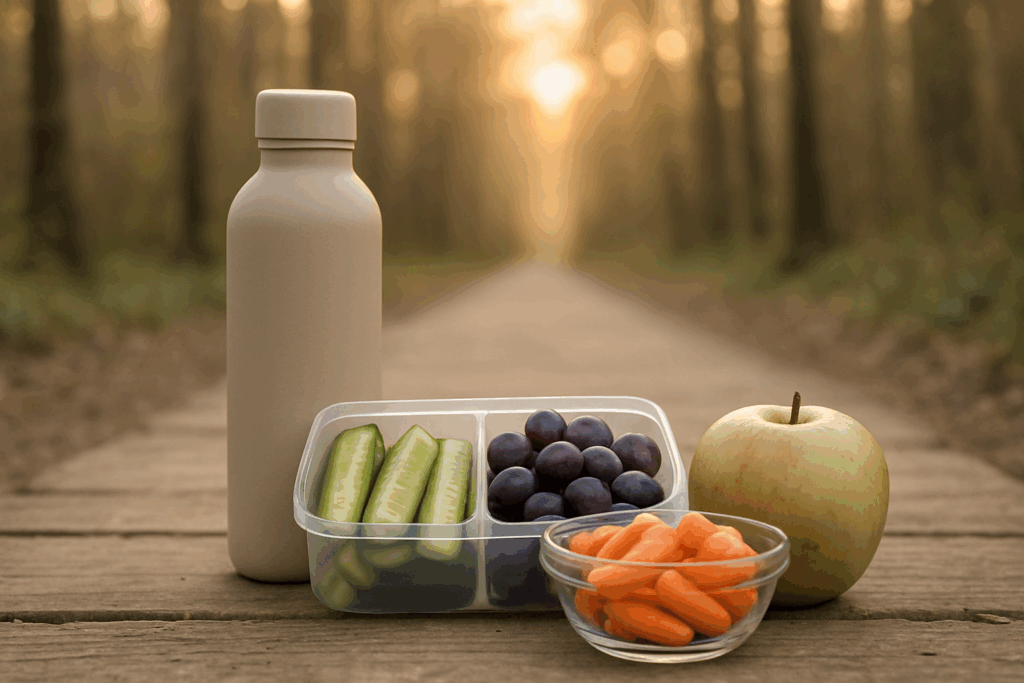
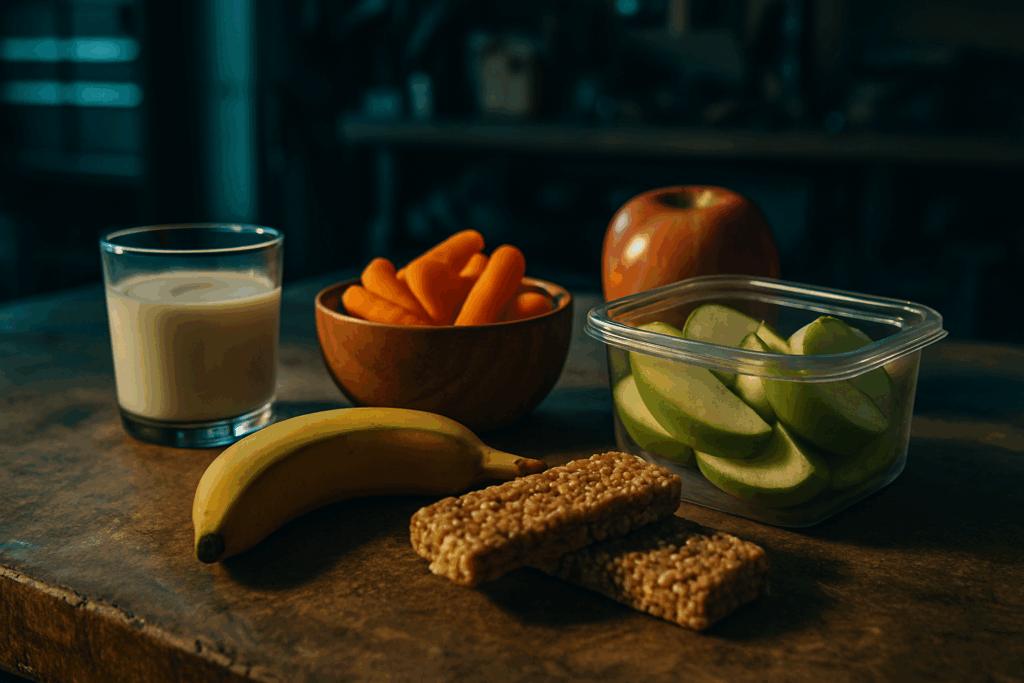
The better move is the real thing. Grab a handful of grapes, slice up an apple, or go with a banana and a swipe of peanut butter. It’s simple, fast, and actually fuels your kid instead of just sending their energy into overdrive for 20 minutes.
Looking for a cool down treat that still satisfies a sweet tooth? Throw some grapes or mango chunks in the freezer. They come out with a sorbet like texture and zero added sugar. No gimmicks just better snacking.
Swap 2: Yogurt With a Purpose
Many kid friendly yogurts are basically dessert in disguise packed with added sugar, artificial flavors, and not much else. They might come in fun colors or cartoon branded tubes, but underneath the hype, they’re light on nutrition and heavy on the empty calories.
A smarter swap is plain Greek yogurt. It’s thick, creamy, and loaded with protein. Stir in a small drizzle of honey for sweetness and toss in a handful of fresh berries. You’ve got something that feels indulgent but fuels better. It doesn’t just taste good it keeps kids full longer, supports digestion, and avoids the sugar crash.
More protein. More fiber. Less chaos after school.
Swap 3: DIY Freezer Pops
Store bought popsicles come with a hidden cost most are packed with high fructose corn syrup and artificial colors. They’re more sugar delivery system than snack. A better move? Make your own. All it takes is a blender, some ripe fruit, and a splash of coconut water or low sugar juice. Pour into molds, freeze, done. The sweetness stays real, and you control the ingredients.
Also, let the kids help. Give them choices pineapple or strawberries, mango or blueberries. When they have a say in the process, they’re more likely to devour the final product. Bonus: it turns snack time into a small moment of ownership and creativity.
Swap 4: Real Chocolate, Not Fake Candy
Most kids’ candies are little more than sugar, food dye, and vague promises. Trade the colorful wrappers for one square of real dark chocolate something with at least 70% cocoa. It satisfies the sweet tooth without the sugar overload and offers a richer, more satisfying flavor.
To kick it up a notch, add a handful of almonds or whole grain pretzels on the side. This brings crunch, a little salt, and lasting energy into the mix. It’s all about balance fat, fiber, and flavor working together.
Make it a ritual rather than a rush. Serve it on a small plate, talk about the taste, enjoy it slowly. Framing it as a “treat moment” helps kids appreciate smaller portions and feel genuinely satisfied. It’s not about restriction it’s about mindful indulgence.
Swap 5: Energy Balls Instead of Cookies
Let’s face it most packaged cookies are sugar bombs held together by cheap flour and oil. They spike energy, then crash it just as fast. A better move? DIY energy balls. Mix old fashioned oats, natural nut butter, a bit of honey, and mini chocolate chips. Roll them into bite sized pieces and store in the fridge. That’s it.
They’re fast. No baking. No drama. But they hit the sweet spot literally. Plus, you get protein, fiber, and slow release energy instead of empty calories. Kids love them because they’re fun to eat; parents love them because they don’t come with a sugar crash.
You can tweak the base to mix things up add chia seeds, shredded coconut, or swap chocolate chips for dried fruit. It’s flexible, filling, and a far cry from the cookie aisle.
Teaching Healthier Choices
Start with the language. Instead of calling foods “bad” or “junk,” talk to kids about how some things give us energy, help us grow, or keep our brains sharp. Frame snacks around strength and movement: what helps them run faster, think clearer, or play longer. Kids don’t need food shame. They need simple, honest connections between what they eat and how they feel.
Get them involved. Let them help pick out fruits, stir ingredients, or build a colorful snack plate. Meal prep doesn’t have to be boxed into “adult jobs.” When kids take part even if it’s just pushing the blender button they’re more likely to be curious about what they’re eating.
And keep it fun. No lectures or long ingredient lists. Let snack time be colorful and hands on. Focus on what they can add to their plate, not what’s off limits.
For more foundational tips, check out this general nutrition advice.
Making Healthy Swaps Stick
This isn’t about flipping your pantry overnight. Start with just one snack swap a day. If your kid usually grabs cookies after school, try offering an energy ball or some fruit first. Keep it low pressure this isn’t a fight, it’s a slow shift.
Swap sugary drinks for water, too. Juice and soda are easy sugar bombs, and kids often drink them out of habit more than thirst. You don’t have to ban them, just crowd them out. Keep cold water within reach. Add fruit slices if that helps it go down easier.
Most importantly: talk about how food makes them feel. If they’re calmer, more focused, or don’t crash by 4 p.m., point it out. Framing snacks around energy, mood, and strength connects the dots without feeling preachy.
Need more ideas that work in real life? Check out the full general nutrition guide.
 Ask Vynric Thorvale how they got into family activities and projects and you'll probably get a longer answer than you expected. The short version: Vynric started doing it, got genuinely hooked, and at some point realized they had accumulated enough hard-won knowledge that it would be a waste not to share it. So they started writing.
What makes Vynric worth reading is that they skips the obvious stuff. Nobody needs another surface-level take on Family Activities and Projects, Parenting Tips and Advice, Healthy Meal Ideas for Kids. What readers actually want is the nuance — the part that only becomes clear after you've made a few mistakes and figured out why. That's the territory Vynric operates in. The writing is direct, occasionally blunt, and always built around what's actually true rather than what sounds good in an article. They has little patience for filler, which means they's pieces tend to be denser with real information than the average post on the same subject.
Vynric doesn't write to impress anyone. They writes because they has things to say that they genuinely thinks people should hear. That motivation — basic as it sounds — produces something noticeably different from content written for clicks or word count. Readers pick up on it. The comments on Vynric's work tend to reflect that.
Ask Vynric Thorvale how they got into family activities and projects and you'll probably get a longer answer than you expected. The short version: Vynric started doing it, got genuinely hooked, and at some point realized they had accumulated enough hard-won knowledge that it would be a waste not to share it. So they started writing.
What makes Vynric worth reading is that they skips the obvious stuff. Nobody needs another surface-level take on Family Activities and Projects, Parenting Tips and Advice, Healthy Meal Ideas for Kids. What readers actually want is the nuance — the part that only becomes clear after you've made a few mistakes and figured out why. That's the territory Vynric operates in. The writing is direct, occasionally blunt, and always built around what's actually true rather than what sounds good in an article. They has little patience for filler, which means they's pieces tend to be denser with real information than the average post on the same subject.
Vynric doesn't write to impress anyone. They writes because they has things to say that they genuinely thinks people should hear. That motivation — basic as it sounds — produces something noticeably different from content written for clicks or word count. Readers pick up on it. The comments on Vynric's work tend to reflect that.