
Start with the Right Foundation
A solid lunch starts with what goes at the base. First, skip the white bread. It burns fast and doesn’t offer much staying power. Go for whole wheat wraps, brown rice, or quinoa grains that have fiber, texture, and don’t spike energy only to crash it an hour later.
Next up: protein. Lean choices like turkey slices, hard boiled eggs, or hummus aren’t just filling they help kids stay focused through the long afternoon stretch. Grilled chicken is another reliable one. Leftovers work great here if you keep them chilled.
And don’t leave healthy fats off the table. They keep energy levels steady and help kids feel full without over snacking. A few slices of avocado, a drizzle of olive oil based dressing, or a handful of school approved nuts can go a long way. If nuts are banned, try seeds like sunflower or pumpkin.
Think of this trio whole grains, protein, and healthy fats as your base formula. Everything else builds on top.
Color Is Key: Add Fruits & Veggies
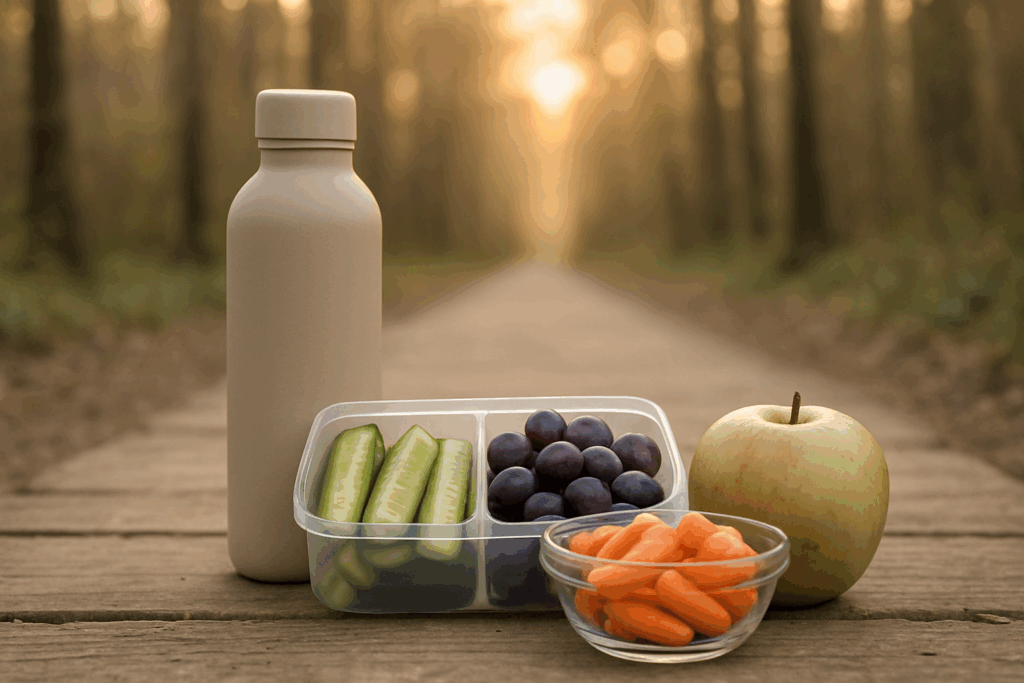
If there’s one quick win for packing a healthier lunch, it’s this: load it with color. Think berries, baby carrots, red and yellow bell peppers, kiwi slices, and cherry tomatoes. A mix like that doesn’t just look good it packs in a range of nutrients without needing much prep.
Keep it visually appealing and tactile. Try cutting fruit into shapes with cookie cutters. Or skewer a rainbow of produce onto mini sticks for a fun, kabob style bite. Bento boxes help, too compartments keep things separate and less overwhelming for little ones.
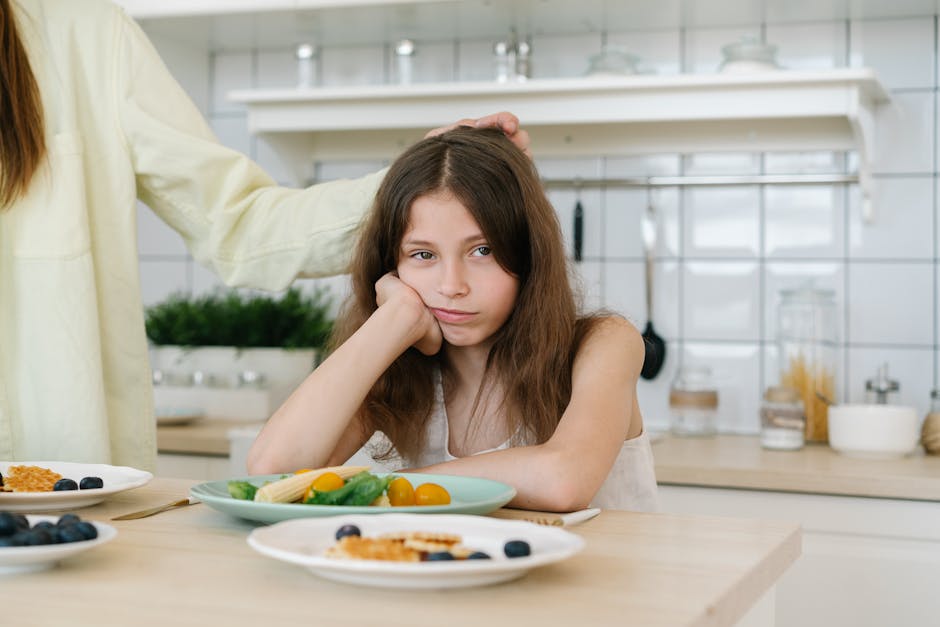
Picky eater in the house? Go stealth. Blend spinach into a hummus dip, hide shredded carrots in pinwheels, or tuck in a tiny “taster bite” with a name like ‘super surprise veggie’. The trick is exposure without pressure.
Keep It Kid Approved Without the Junk
Let’s face it kids love snacks. But the usual suspects in a lunchbox (chips, sugary yogurts, juice boxes) can tank an otherwise solid meal. The good news is, there are easy upgrades that don’t feel like a downgrade.
Swap regular chips for air popped popcorn or roasted chickpeas. They’ve got crunch, flavor, and none of the greasy fingers. Ditch the dessert like yogurts packed with sugar and go for Greek yogurt with a drizzle of honey or a spoonful of fruit puree. It still tastes like a treat. As for drinks, skip the juice boxes. Try fruit infused water or milk instead less sugar, more hydration.
The trick isn’t just swapping what’s inside the box it’s making your kid part of the process. Offer a short list of parent approved options and let them pick. This simple move gives them a say, builds confidence, and makes it more likely they’ll actually eat what you packed.
Don’t Forget the Snack Plan
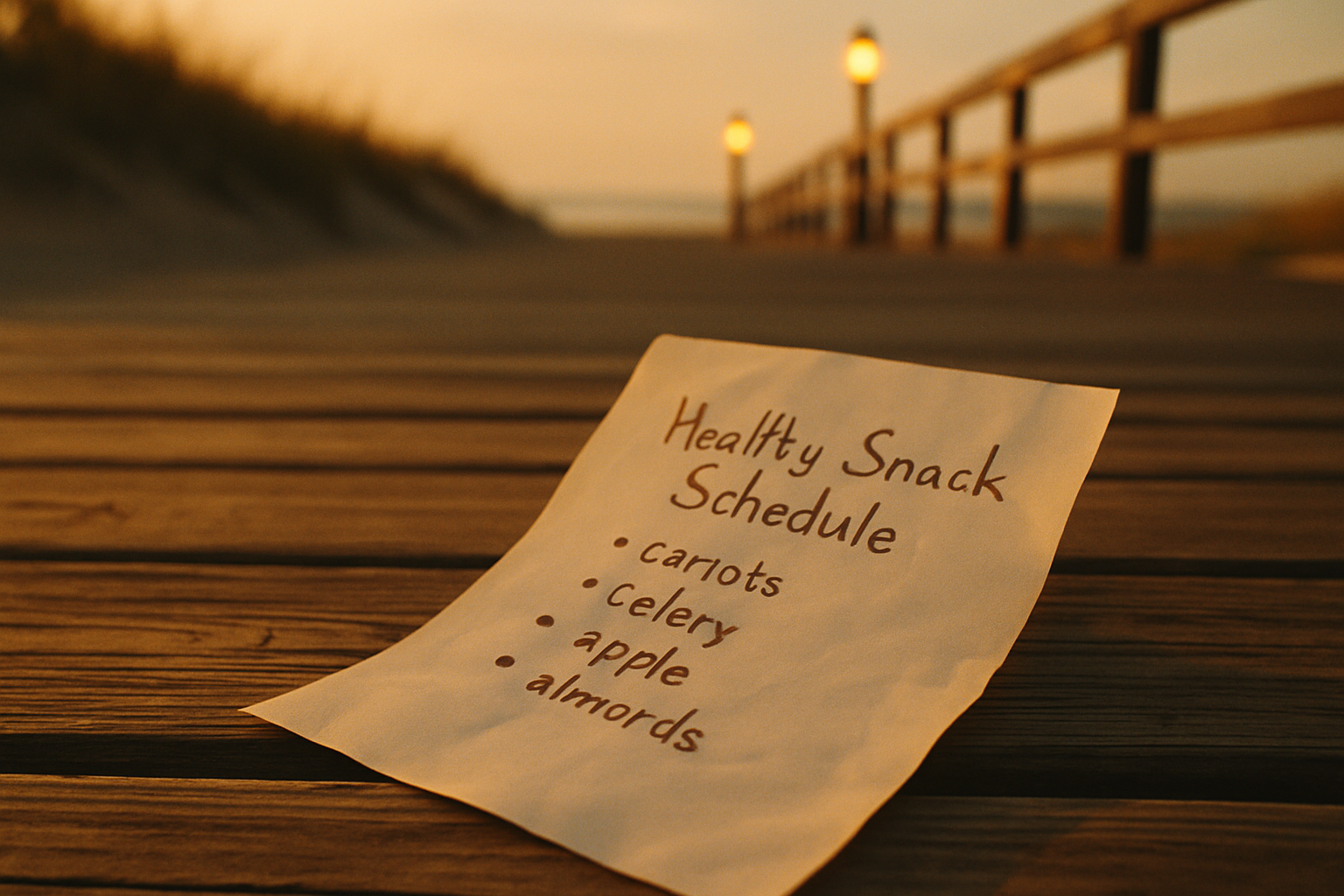
In many schools, snack time isn’t part of lunch it’s separate. That means you’ll want to pack something that tides them over without the sugar crash. Think simple, satisfying, and mess free. Trail mix (school safe, nut free if needed), string cheese, or sliced apples with sunflower butter are all solid options. These snacks pack protein, fiber, and enough energy to keep kids sharp until their next meal.
The goal here isn’t fancy. It’s fuel. Look for items that travel well and can be eaten quickly between classes or activities. Bonus points if they require little to no prep on your end.
Need more fuss free snack inspiration? Check out our list of healthy and easy after school snack ideas.
Stay Fresh and Safe
Packing a healthy lunch is pointless if it doesn’t make it to noon still looking and tasting good. Start with an insulated lunch bag and toss in an ice pack. Simple but effective. No one wants warm yogurt or lukewarm turkey wraps.
Containers matter too. Choose ones that are leak proof but easy to open something kids can handle without a struggle. If they can’t open it, they won’t eat it. And frustrating containers make lunchtime stressful.
Most important: don’t pack anything that wilts, spoils, or turns by mid morning. Warm days make mayo risky. Stick to shelf stable choices or low risk items like hard cheese, pita, or whole fruit. Save the delicate stuff for dinner or chilled storage.
Smart lunch packing isn’t about overdoing it it’s about getting it safely from point A to point B, and making sure kids actually eat it.
Make It Routine Friendly
Mornings are chaotic enough without scrambling to slice carrots or find a missing lunchbox. Prepping the night before takes the edge off. Whether it’s chopping fruit, portioning snacks, or assembling the full lunch, it saves time and decision fatigue when you need it most.
To avoid the dreaded lunchbox rut (and the chorus of “Again?” from the backseat), create a rotating lineup of 10 15 tried and true meals. Think: turkey pinwheels, veggie pasta salad, hummus and crackers with dippable veggies. Familiar, flexible, and easy to scale up on batch nights.
A weekly lunch planner helps pull it all together. Jot down what’s going in each lunch ahead of time mix up proteins, fruits, and sides to hit all the food groups without overthinking it. Planning ahead means fewer last minute grocery runs and lunches that are both balanced and actually get eaten.
Final Tip
Consistency isn’t just about convenience it’s how healthy habits stick. When school lunches follow a reliable rhythm, kids start expecting (and often appreciating) the structure. Keep it as simple as it needs to be: don’t complicate the menu with gourmet level ideas every day. A colorful plate with a mix of staples they love like crunchy veggies, familiar proteins, or a piece of fruit with character goes a long way.
Let your child have a say. The more involved they are picking between two snack options, choosing tomorrow’s fruit the more invested they’ll be in eating it. And try not to get hung up on perfection. Skip the Pinterest pressure. A good enough, colorful, kid driven lunch made with consistency will beat a one off masterpiece every time.
 Ask Geraldine C. how they got into healthy meal ideas for kids and you'll probably get a longer answer than you expected. The short version: Geraldine started doing it, got genuinely hooked, and at some point realized they had accumulated enough hard-won knowledge that it would be a waste not to share it. So they started writing.
What makes Geraldine worth reading is that they skips the obvious stuff. Nobody needs another surface-level take on Healthy Meal Ideas for Kids, Family Activities and Projects, Support Resources for Parents. What readers actually want is the nuance — the part that only becomes clear after you've made a few mistakes and figured out why. That's the territory Geraldine operates in. The writing is direct, occasionally blunt, and always built around what's actually true rather than what sounds good in an article. They has little patience for filler, which means they's pieces tend to be denser with real information than the average post on the same subject.
Geraldine doesn't write to impress anyone. They writes because they has things to say that they genuinely thinks people should hear. That motivation — basic as it sounds — produces something noticeably different from content written for clicks or word count. Readers pick up on it. The comments on Geraldine's work tend to reflect that.
Ask Geraldine C. how they got into healthy meal ideas for kids and you'll probably get a longer answer than you expected. The short version: Geraldine started doing it, got genuinely hooked, and at some point realized they had accumulated enough hard-won knowledge that it would be a waste not to share it. So they started writing.
What makes Geraldine worth reading is that they skips the obvious stuff. Nobody needs another surface-level take on Healthy Meal Ideas for Kids, Family Activities and Projects, Support Resources for Parents. What readers actually want is the nuance — the part that only becomes clear after you've made a few mistakes and figured out why. That's the territory Geraldine operates in. The writing is direct, occasionally blunt, and always built around what's actually true rather than what sounds good in an article. They has little patience for filler, which means they's pieces tend to be denser with real information than the average post on the same subject.
Geraldine doesn't write to impress anyone. They writes because they has things to say that they genuinely thinks people should hear. That motivation — basic as it sounds — produces something noticeably different from content written for clicks or word count. Readers pick up on it. The comments on Geraldine's work tend to reflect that.