
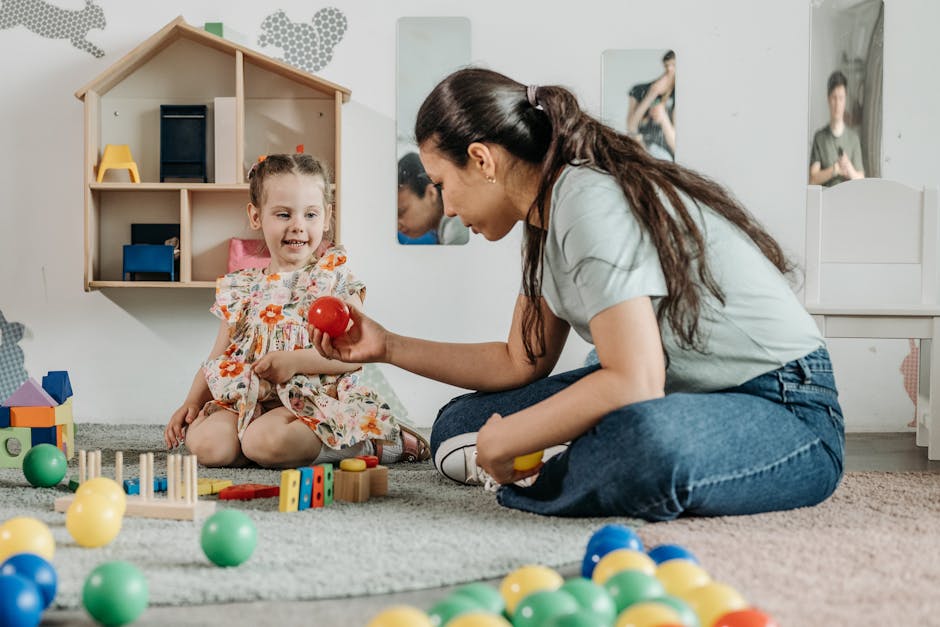
Why Play Fuels Brain Development
Kids don’t need flashcards or test prep. They need play. That’s not just feel good parenting advice it’s backed by neuroscience. Play based learning, especially in early childhood, sparks brain development in ways passive learning can’t.
When children engage in unstructured play building forts, making up games, pretending to run space missions they practice flexible thinking. Their brains light up across multiple regions as they solve problems, adapt rules, and navigate social dynamics. Structured play, like puzzles or memory games, boosts focus and strengthens working memory through repetition and strategic thinking.
At the center of it all is brain plasticity the brain’s ability to rewire and adapt. In the early years, this process runs on high gear. Experiences shape the brain’s architecture. The more daily play they get especially the kind that demands creativity, movement, or collaboration the more neural pathways are reinforced.
In 2026, when tech is more pervasive than ever, carving space for real world, hands on play isn’t optional. It’s essential. For attention spans, for critical thinking, for emotional regulation all the soft skills that lead to strong learners and good humans. It’s not about forcing structure but about protecting time for exploration. Play isn’t the break from learning. It is the learning.
Types of Play That Strengthen Thinking Skills
Not all play is created equal when it comes to brain development. Four kinds stand out for the way they naturally build core cognitive skills without turning fun into homework.
Pretend play: This is where imagination stretches its legs. Kids become astronauts, chefs, dragons, or anything else they can dream up. But it’s not just make believe it’s practice in abstract thinking. Role playing helps children understand perspectives, solve problems creatively, and build flexible thinking. Pretend scenarios encourage brain growth in ways textbooks can’t touch.
Construction play: Give a child blocks, LEGOs, or puzzles, and you’re handing them spatial reasoning tools in disguise. These activities build visual spatial skills, planning, and patience. Figuring out how pieces fit together isn’t just satisfying it strengthens future math and engineering abilities.
Movement play: Physical activity does more than burn off energy. Tag, jumping, climbing, or even dancing supports brain function tied to attention and focus. When the body moves, the brain wakes up. Movement based play boosts executive function, coordination, and emotional regulation all key for learning.
Games with rules: Whether it’s a board game or a playground challenge, these kinds of play teach kids how to manage structure, wait their turn, and think ahead. Rule based games sharpen working memory and decision making. They help children learn strategy, fairness, and self control all while having a blast.
Each type of play pushes a different thinking muscle. Mix them into the day, and you’re giving your child a solid cognitive workout no worksheet required.
How to Create a Play Friendly Environment at Home
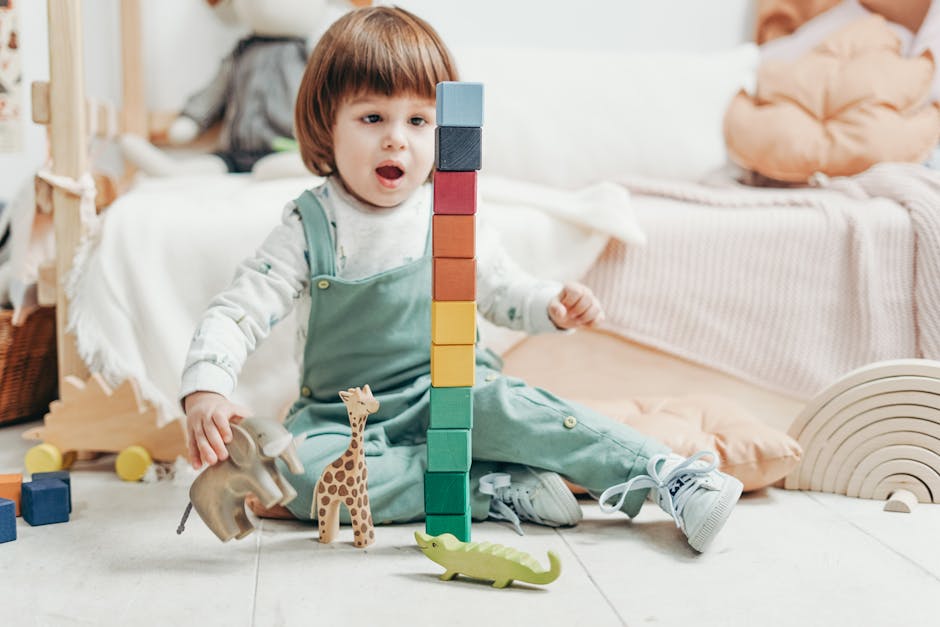
A play friendly environment isn’t about having a room packed floor to ceiling with toys. It’s about space, rhythm, and intentional choices.
Start with routines. Children thrive when they know what to expect but leave room for the unexpected. Set aside periods each day for unscripted, open ended play. This could be as simple as a quiet after breakfast block of time where your child chooses their own activity. No rushing, no agenda just space to explore.
When it comes to toys, don’t overdo it. Too many options overwhelm, distract, and end up ignored. Instead, think fewer, better. Prioritize toys that invite experimentation wooden blocks, magnetic tiles, art supplies, sensory bins. These encourage problem solving and creativity more than talking dolls or blinking plastic clutter ever will.
Finally, curb the screens. This doesn’t mean banning them just making sure they’re not crowding out hands on learning. Keep tablets and TVs off during core playtimes. Let their fingers get messy with clay or tangled with laces. Real world interactions build real world thinking.
Active, engaged play beats passive entertainment every time. Create an environment that gives your child permission to wonder and the tools to turn that wonder into learning.
Spotting When to Adjust or Support
Not every child hits milestones on the same schedule and that’s okay. Still, there are signs that may indicate it’s time to pay closer attention. If your child consistently avoids eye contact, doesn’t respond to their name, struggles to follow simple instructions, or seems overly frustrated during play that should match their age, it might be worth checking in with a pediatric specialist. Also watch for delays in speech, coordination, or lack of interest in pretend play. These aren’t causes for panic, but they are signals worth taking seriously.
Supporting cognitive growth doesn’t mean pushing harder. It’s about offering the right challenges scaffolded, not forced. Slow the pace if your child seems overwhelmed. Build on what they’re already curious about. A child who spends ages lining up cars isn’t “wasting time” they may be exploring categorization, order, or symmetry. Respect their rhythm, while gently expanding the variety of play. Introduce new ideas gradually, and keep an open line of communication with caregivers, teachers, or professionals.
For a more detailed discussion on developmental cues and when to intervene, check out Understanding Milestone Delays: What Parents Should Know.
Daily Play, Long Term Gains
Why Early Play Shapes Lifelong Potential
The benefits of early cognitive enrichment through play go far beyond childhood. When children engage in meaningful, stimulating play regularly, they’re not just entertained they’re building neural networks that form the backbone of future learning and achievement.
Cognitive advantages of regular play include:
Improved memory and attention span
Better problem solving and reasoning skills
Greater language development and communication confidence
Enhanced creativity and adaptability
Play Builds Tomorrow’s Thinkers
Every time a child experiments, imagines, or solves a challenge through play, they are rehearsing the skills they will use as learners, creators, and future professionals.
Consistent play fosters:
A growth mindset and curiosity
Resilience in the face of challenges
Collaboration and social understanding
We’re not just raising kids we’re nurturing the innovators, leaders, and problem solvers of tomorrow.
No Grand Gestures Required
The good news? Parents don’t need to overhaul their lives or create elaborate learning plans. The most impactful support often comes from simple, daily play moments that offer opportunities for exploration and connection.
Small, everyday actions make a lasting impact:
Asking open ended questions during pretend play
Letting your child lead during activities
Providing unstructured time with basic materials like blocks, crayons, and nature objects
Play doesn’t need to be perfect. It needs to be present. Show up regularly, follow your child’s cues, and let curiosity lead the way.
Your presence, more than any toy or lesson, is what makes play powerful.
 Ask Vynric Thorvale how they got into family activities and projects and you'll probably get a longer answer than you expected. The short version: Vynric started doing it, got genuinely hooked, and at some point realized they had accumulated enough hard-won knowledge that it would be a waste not to share it. So they started writing.
What makes Vynric worth reading is that they skips the obvious stuff. Nobody needs another surface-level take on Family Activities and Projects, Parenting Tips and Advice, Healthy Meal Ideas for Kids. What readers actually want is the nuance — the part that only becomes clear after you've made a few mistakes and figured out why. That's the territory Vynric operates in. The writing is direct, occasionally blunt, and always built around what's actually true rather than what sounds good in an article. They has little patience for filler, which means they's pieces tend to be denser with real information than the average post on the same subject.
Vynric doesn't write to impress anyone. They writes because they has things to say that they genuinely thinks people should hear. That motivation — basic as it sounds — produces something noticeably different from content written for clicks or word count. Readers pick up on it. The comments on Vynric's work tend to reflect that.
Ask Vynric Thorvale how they got into family activities and projects and you'll probably get a longer answer than you expected. The short version: Vynric started doing it, got genuinely hooked, and at some point realized they had accumulated enough hard-won knowledge that it would be a waste not to share it. So they started writing.
What makes Vynric worth reading is that they skips the obvious stuff. Nobody needs another surface-level take on Family Activities and Projects, Parenting Tips and Advice, Healthy Meal Ideas for Kids. What readers actually want is the nuance — the part that only becomes clear after you've made a few mistakes and figured out why. That's the territory Vynric operates in. The writing is direct, occasionally blunt, and always built around what's actually true rather than what sounds good in an article. They has little patience for filler, which means they's pieces tend to be denser with real information than the average post on the same subject.
Vynric doesn't write to impress anyone. They writes because they has things to say that they genuinely thinks people should hear. That motivation — basic as it sounds — produces something noticeably different from content written for clicks or word count. Readers pick up on it. The comments on Vynric's work tend to reflect that.