What Emotional Development Really Means
Emotional development isn’t fluff it’s the foundation. At its core, it’s about how kids start to recognize, express, and learn to manage feelings. Sadness, joy, frustration, excitement they all show up fast and strong in early childhood, and without the tools to handle them, those emotions can overwhelm.
This internal skill building tracks closely with brain development. As the brain forms key neural connections, especially in areas like the prefrontal cortex and limbic system, kids gain more ability to regulate impulses, recognize social cues, and make sense of their emotional world. Simply put: the brain grows, and emotional intelligence follows.
And it matters a lot. Kids who learn emotional skills early are better equipped to form strong relationships, adapt to school settings, and cope with mental health challenges later. A toddler who’s taught to pause and label a feeling becomes a teen who can problem solve without exploding and an adult who can communicate clearly in high stress moments. Emotional development in early years isn’t a side quest. It’s central to everything that follows.
Ages 0 2: Foundations in Trust and Attachment
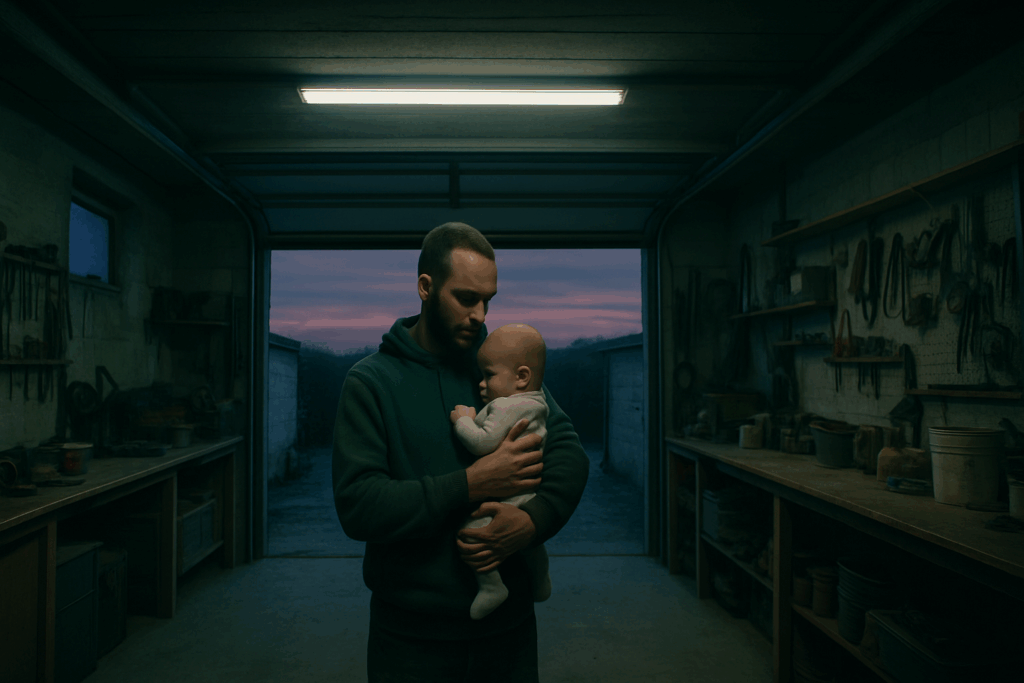
Right from birth, babies start picking up on emotional cues no words needed. They read the tone of your voice, the warmth of your touch, and the expression on your face. A calm voice says safety. A tense face triggers alarm. Over time, babies learn to associate these signals with how to feel and react.
Caregivers play a frontline role. When a parent or caregiver consistently responds with comfort, a bottle, or a hold, the baby starts developing a secure attachment. This isn’t about being perfect it’s about being reliably present. That secure bond forms the emotional bedrock for how they’ll handle stress, relationships, and even risk later in life.
There are turning points in this stage. Around 6 to 9 months, many babies begin to show separation anxiety or become cautious around unfamiliar faces. This isn’t a flaw it’s a sign their attachment system is working. By the end of this stage, most babies also start to attempt early self soothing thumbs in mouths, holding a blanket, rocking themselves. It’s a tiny first step toward emotional independence.
This phase is slow, quiet, and foundational. But it sets the tone for everything that comes after. Responding with patience now builds emotional resilience later.
Ages 2 3: Big Feelings, Small Words
At this stage, emotions come big and fast. One minute your toddler is giggling, the next they’re losing it over the wrong color cup. This rollercoaster is normal. Emotional dysregulation those explosive, seemingly random tantrums is part of growing up. The brain’s emotional control systems are still under construction. Toddlers don’t throw fits to manipulate. They’re overwhelmed, and they don’t yet have the tools to handle it any other way.
Now’s when the naming starts. Kids begin to piece together basic labels like “happy,” “mad,” “sad.” It’s clumsy at first, but every word gives them a little more control like handing over a map when they’ve been wandering with no compass. Your job? Say the words out loud: “You’re feeling mad because we turned off the show.” Tie emotion to cause. Keep it simple.
And when it gets loud, stay steady. Kids watch how adults react. If you hold the calm, they learn it’s possible to be upset and still stay safe and steady. That doesn’t mean being perfect. It means showing them how to move through the storm, not chase it.
Ages 3 5: Building Empathy and Social Awareness

During the preschool years, emotional development takes a major leap forward. Children begin to move beyond their own feelings and start noticing and interpreting the emotions of others. This stage lays the groundwork for empathy, cooperation, and meaningful relationships later in life.
Recognizing Others’ Emotions
Children around ages 3 to 5 start identifying emotional cues in their peers and adults. They may say things like:
“She looks sad.”
“He’s mad because he dropped his toy.”
This growing awareness allows them to begin practicing empathy, even if their responses are still learning based and imperfect.
Pretend Play: A Window Into Emotions
Pretend play becomes more complex during this stage and often reflects children’s internal emotional landscape. Through imaginative scenarios, they:
Reenact emotional situations they’ve experienced or observed
Take on emotional roles (e.g., caregiver, hero, someone scared)
Practice problem solving and perspective taking
Pretend play is not just entertainment it’s a form of emotional rehearsal.
Learning Emotional “Rules”
Kids in this developmental phase are beginning to understand that emotions are not just felt they’re managed within social frameworks. They start learning essential emotional guidelines, such as:
Taking turns
Saying “sorry” after upsetting someone
Waiting patiently
Understanding that actions have emotional impacts on others
These lessons often need repetition and adult guidance, but they form the bedrock for cooperative behavior.
Preschool’s Impact on Social Development
Preschool environments provide real time opportunities to practice emotional and social skills. Through structured group activities and free play, children:
Build friendships
Navigate conflicts with support
Learn cooperation in team settings
Get exposure to diverse emotional responses and family norms
Effective early childhood educators intentionally support emotional learning, helping children name feelings, resolve disputes, and deepen their empathy toward others.
By the end of this phase, most children are on their way to becoming more emotionally aware, socially curious, and better equipped to function within group settings.
Helping Kids Navigate Feelings at Home
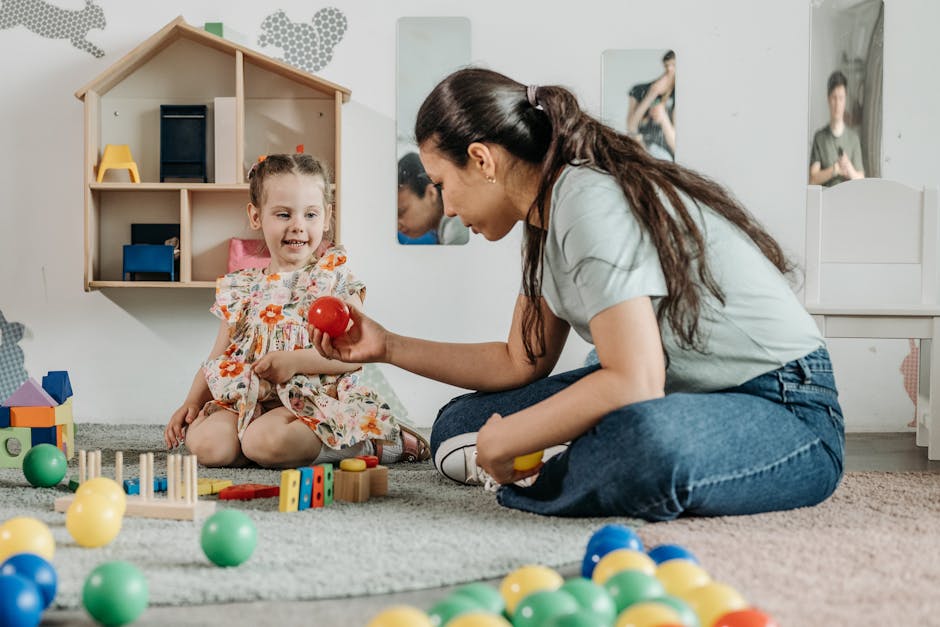
Teaching emotional skills doesn’t mean sitting a toddler down and delivering a lecture on empathy. It happens in the everyday: during bath time meltdowns, cereal crises, and quiet moments with a book. One simple but powerful tool is the emotion chart. These visual guides faces to point to, names of feelings to circle help kids connect internal sensations with language. Use them regularly, not just during tough moments. Over time, naming emotions out loud (“You’re feeling frustrated because the block tower fell”) teaches kids that all feelings can be faced, not feared.
Routines anchor emotional stability. A predictable rhythm to the day wake up, meals, quiet time, bedtime frees up mental space for emotional learning. Boundaries work the same way. Knowing what’s expected lowers anxiety and reduces behavior driven by uncertainty. Both routines and boundaries set the stage for kids to feel safe enough to express what’s really going on inside.
Finally, don’t underestimate the power of play. Puppets, crayons, made up stories these aren’t just fun. They’re vehicles for emotional self expression. A child who can’t yet say “I’m scared” might draw a monster hiding under a bed. Let them lead, but stay close. When you say, “Tell me more about this,” you’re helping them unpack and process one drawing or pretend game at a time.
Screen Time and Emotional Health
The Emotional Toll of Too Much Screen Time
While digital devices can offer educational content and temporary entertainment, excessive screen use in early childhood can present real challenges to emotional development. Young children are especially vulnerable to overstimulation or isolation caused by prolonged exposure to screens.
Overstimulation: Fast paced visuals and constant shifting scenes can overload developing brains, making it harder for kids to learn emotional self regulation.
Isolation: Independent screen time may reduce opportunities for real life social interactions, limiting practice in reading emotional cues.
Empathy and Emotional Growth at Risk
One of the key developmental tasks in early childhood is learning to understand others’ feelings. Too much screen exposure can interfere with that, especially when it replaces face to face interaction.
Children may struggle to pick up on facial expressions, tone of voice, or body language if their social experiences are filtered through screens.
Emotional scripts things like apologizing, negotiating, or dealing with frustration are learned through observation and interaction, not passive watching.
Creating a Balanced Digital Diet
Promoting emotional health doesn’t mean eliminating screens, but it does require mindful use. Evidence based strategies can help families build healthier screen habits:
Co viewing: Watch content together and talk about what’s happening. Ask questions like, “How do you think that character feels?”
Daily limits: Follow age appropriate time limits guided by pediatric recommendations.
Screen free zones: Create routines that prioritize connection, such as mealtimes and bedtime rituals without devices.
Offline expression: Encourage kids to engage in storytelling, drawing, or role play to process their own feelings.
For a deeper look at research backed strategies, explore: Screen Time Effects on Growing Minds Research and Recommendations
Why It All Matters in 2026
By now, it’s more than just theory emotional development in early childhood sets the tone for a child’s future. Kids who learn to identify and manage their emotions early tend to perform better academically, maintain healthier relationships, and handle stress with more resilience. Emotional skills aren’t soft skills they’re survival tools.
Support during these early years doesn’t just improve a child’s mood or temperament. It can lower the risk of anxiety, depression, aggressive behavior, and even learning disabilities. Small things like consistent routines, engaged caregivers, or emotionally aware teachers can steer a child’s entire path.
But the responsibility doesn’t fall on parents alone. This is a team effort. Educators, extended family, nonprofits, and neighborhoods all have skin in the game. Communities that prioritize emotional health in childhood help raise healthier, more capable adults. And as we look toward 2026 and beyond, that’s the kind of investment that pays long term dividends.
 Ask Vynric Thorvale how they got into family activities and projects and you'll probably get a longer answer than you expected. The short version: Vynric started doing it, got genuinely hooked, and at some point realized they had accumulated enough hard-won knowledge that it would be a waste not to share it. So they started writing.
What makes Vynric worth reading is that they skips the obvious stuff. Nobody needs another surface-level take on Family Activities and Projects, Parenting Tips and Advice, Healthy Meal Ideas for Kids. What readers actually want is the nuance — the part that only becomes clear after you've made a few mistakes and figured out why. That's the territory Vynric operates in. The writing is direct, occasionally blunt, and always built around what's actually true rather than what sounds good in an article. They has little patience for filler, which means they's pieces tend to be denser with real information than the average post on the same subject.
Vynric doesn't write to impress anyone. They writes because they has things to say that they genuinely thinks people should hear. That motivation — basic as it sounds — produces something noticeably different from content written for clicks or word count. Readers pick up on it. The comments on Vynric's work tend to reflect that.
Ask Vynric Thorvale how they got into family activities and projects and you'll probably get a longer answer than you expected. The short version: Vynric started doing it, got genuinely hooked, and at some point realized they had accumulated enough hard-won knowledge that it would be a waste not to share it. So they started writing.
What makes Vynric worth reading is that they skips the obvious stuff. Nobody needs another surface-level take on Family Activities and Projects, Parenting Tips and Advice, Healthy Meal Ideas for Kids. What readers actually want is the nuance — the part that only becomes clear after you've made a few mistakes and figured out why. That's the territory Vynric operates in. The writing is direct, occasionally blunt, and always built around what's actually true rather than what sounds good in an article. They has little patience for filler, which means they's pieces tend to be denser with real information than the average post on the same subject.
Vynric doesn't write to impress anyone. They writes because they has things to say that they genuinely thinks people should hear. That motivation — basic as it sounds — produces something noticeably different from content written for clicks or word count. Readers pick up on it. The comments on Vynric's work tend to reflect that.