

If you’ve seen ‘ATOR’ on a prescription or medical chart, you’re likely looking at a shorthand for a very common medication. ATOR is the standard medical abbreviation for Atorvastatin, a drug used by millions. Understanding these abbreviations is crucial for patient safety and to feel more in control of your own healthcare.
This article will not only define ‘ATOR’ but also explain what the medication is for, why abbreviations are used, and how to confidently interpret your medical information.
ATOR Explained: The Full Name and Purpose
ATOR stands for Atorvastatin, and simple as that.
One of the most common brand names for Atorvastatin in the United States is Lipitor. You might have heard of it.
Atorvastatin belongs to a class of drugs called statins. These are primarily used to manage cholesterol.
Its main purpose? To lower levels of ‘bad’ cholesterol (LDL) and triglycerides in the blood. This is crucial for heart health.
Another key benefit is that it can raise levels of ‘good’ cholesterol (HDL). HDL helps protect against heart disease.
In fact, ator (the medical abbreviation for Atorvastatin) plays a significant role in preventing cardiovascular events like heart attacks and strokes, especially in patients with risk factors.
Understanding these basics can help you make more informed decisions about your health.
How Atorvastatin Works in Your Body
Imagine your liver as a busy factory, churning out cholesterol day and night. Atorvastatin steps in like a factory manager, slowing down the production line.
It blocks an enzyme called HMG-CoA reductase. This enzyme is crucial for the liver to make cholesterol. By blocking it, ator reduces the amount of cholesterol the liver can produce.
When the liver isn’t making as much cholesterol, it starts looking for more from the bloodstream. It’s like the factory manager saying, “We need to use up what we already have before making more.” This process helps lower the overall cholesterol levels in your body.
The medication comes in different strengths: 10 mg, 20 mg, 40 mg, and 80 mg. Your doctor will prescribe the right dose for you.
Remember, Atorvastatin is a prescription medication. It should only be taken under a doctor’s supervision. They’ll monitor how well it’s working and adjust the dose if needed.
Taking this pill, you might not feel anything different at first. But over time, it’s quietly doing its job, helping keep your cholesterol in check.
Why Do Doctors and Pharmacists Use Abbreviations?
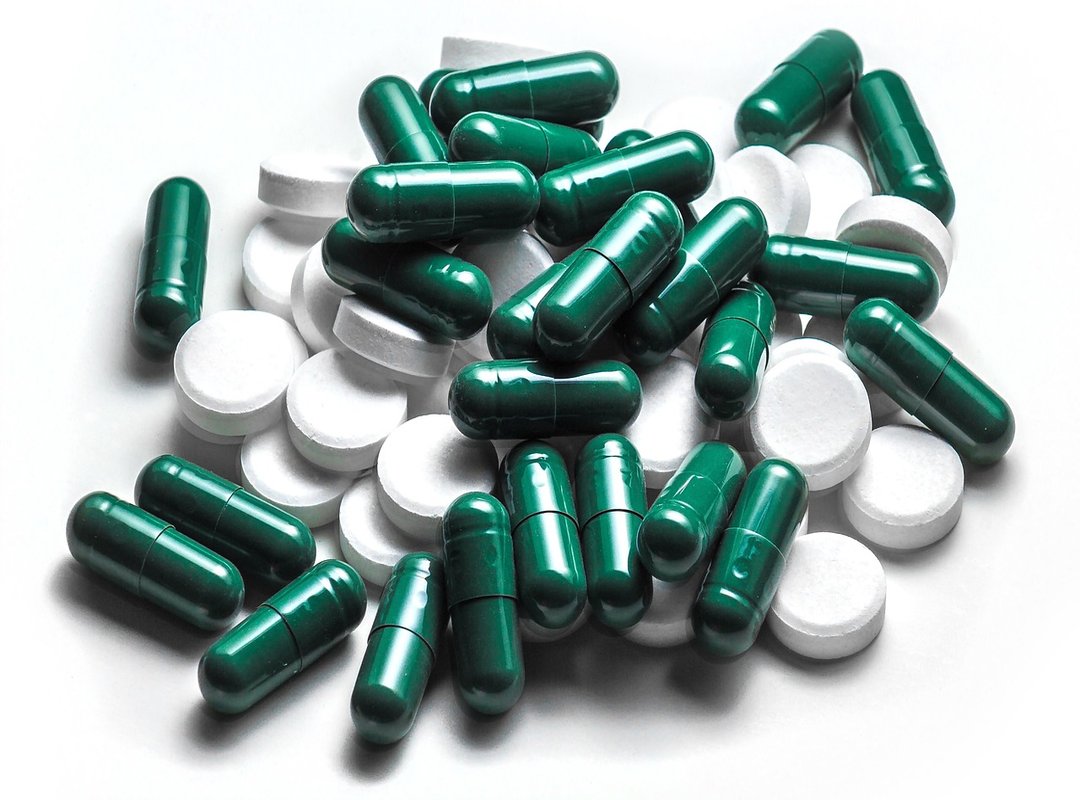
Efficiency and speed, and that’s the main reason. In a fast-paced clinical environment, every second counts. Llblogfamily
Ator for Atorvastatin is a perfect example. When writing prescriptions, updating patient charts, or communicating with other healthcare professionals, using ator saves a lot of time.
Even in modern Electronic Health Record (EHR) systems, abbreviations can speed up data entry. Typing ator is quicker than spelling out the full name.
Standardization is key, and widely accepted abbreviations like ATOR reduce ambiguity. Everyone knows what ATOR means, so there’s less room for error compared to informal shortening.
But here’s where it gets tricky, and non-standard or unclear abbreviations can cause confusion. I learned this the hard way.
Once, a colleague used an abbreviation that wasn’t widely recognized, and it led to a mix-up. The patient ended up confused, and we had to backtrack to clarify.
The Joint Commission has a ‘Do Not Use’ list to help prevent such issues. It’s a reminder that while abbreviations are useful, they need to be clear and standardized.
Other common statin abbreviations include SIMVA for Simvastatin and ROSU for Rosuvastatin. These are widely understood and used across the board.
In summary, while abbreviations are incredibly useful, it’s crucial to stick to the ones that everyone knows.
What to Do If You See ‘ATOR’ on Your Medical Documents
First, check the full drug name. It should be printed on the prescription label from the pharmacy.
Always confirm the medication and dosage with the pharmacist when picking it up.
Is this Atorvastatin, and what is this medication for? These are perfectly acceptable questions for your pharmacist.
It’s your right and responsibility to understand what medications you’re taking. According to a study, nearly 50% of patients do not fully understand their medication instructions, leading to potential misuse.
So, if you see ATOR (ator medical abbreviation) on your documents, don’t hesitate to ask for clarification.
Taking an Active Role in Your Health
The ator medical abbreviation stands for Atorvastatin (Lipitor), a key medication for managing cholesterol and protecting heart health. Seeing this abbreviation is normal in a medical context. Understanding your prescriptions is a crucial step in managing your health effectively.
Never hesitate to speak with your doctor or pharmacist to clarify any term, abbreviation, or instruction you don’t understand.
 Ask Geraldine Cobbertodes how they got into healthy meal ideas for kids and you'll probably get a longer answer than you expected. The short version: Geraldine started doing it, got genuinely hooked, and at some point realized they had accumulated enough hard-won knowledge that it would be a waste not to share it. So they started writing.
What makes Geraldine worth reading is that they skips the obvious stuff. Nobody needs another surface-level take on Healthy Meal Ideas for Kids, Family Activities and Projects, Support Resources for Parents. What readers actually want is the nuance — the part that only becomes clear after you've made a few mistakes and figured out why. That's the territory Geraldine operates in. The writing is direct, occasionally blunt, and always built around what's actually true rather than what sounds good in an article. They has little patience for filler, which means they's pieces tend to be denser with real information than the average post on the same subject.
Geraldine doesn't write to impress anyone. They writes because they has things to say that they genuinely thinks people should hear. That motivation — basic as it sounds — produces something noticeably different from content written for clicks or word count. Readers pick up on it. The comments on Geraldine's work tend to reflect that.
Ask Geraldine Cobbertodes how they got into healthy meal ideas for kids and you'll probably get a longer answer than you expected. The short version: Geraldine started doing it, got genuinely hooked, and at some point realized they had accumulated enough hard-won knowledge that it would be a waste not to share it. So they started writing.
What makes Geraldine worth reading is that they skips the obvious stuff. Nobody needs another surface-level take on Healthy Meal Ideas for Kids, Family Activities and Projects, Support Resources for Parents. What readers actually want is the nuance — the part that only becomes clear after you've made a few mistakes and figured out why. That's the territory Geraldine operates in. The writing is direct, occasionally blunt, and always built around what's actually true rather than what sounds good in an article. They has little patience for filler, which means they's pieces tend to be denser with real information than the average post on the same subject.
Geraldine doesn't write to impress anyone. They writes because they has things to say that they genuinely thinks people should hear. That motivation — basic as it sounds — produces something noticeably different from content written for clicks or word count. Readers pick up on it. The comments on Geraldine's work tend to reflect that.