
Why Meal Planning Saves Time (and Sanity)
Juggling weeknight dinners, school pick ups, and team practices can leave even the most organized parents scrambling when 5 p.m. hits. But with just a little planning, that daily chaos becomes much more manageable.
Reduce Last Minute Dinner Stress
By knowing what’s for dinner ahead of time, you eliminate the daily pressure to make quick decisions (or settle for takeout). Even a loose plan can:
Cut down on weeknight decision fatigue
Reduce dinnertime whining and indecision
Give parents more time to unwind or actually sit down and eat with their kids
Save Money at the Grocery Store
Random items tossed into a cart during a rushed shopping trip can add up fast. Meal planning helps you:
Shop with a purposeful list, avoiding extra purchases
Buy in bulk or multipurpose ingredients to reduce food waste
Skip unnecessary midweek grocery runs
Make Nutrition Easier (and Less of a Battle)
Consistently planned meals give parents more control over what kids are actually eating without having to become a nutritionist.
Meals can be better balanced with protein, veggies, and whole grains
Helps reduce the reliance on boxed and frozen convenience foods
Makes it easier to introduce new foods in a structured way
Planning ahead isn’t about perfection it’s about creating just enough structure so the kitchen works in your favor instead of against you.
Start with One Week, Not a Month
Don’t overdo it. Planning a month of meals sounds productive but ends up overwhelming fast. Start with five dinners. Not seven five. That gives you structure but leaves space for leftovers, takeout, or cereal for dinner nights (because those happen, too). Pick meals your family already likes, and make at least two of them super low effort: think tacos, pasta, or sheet pan anything.
For breakfast and lunch, keep it simple and repeatable. Rotate a few staples yogurt + granola, toast + eggs, peanut butter sandwiches, wraps things that don’t need constant mental energy to pull off. The goal isn’t variety, it’s sanity.
If you’re just getting started, the key is to avoid the perfection trap. Start with what you already know how to cook. Reuse ingredients across meals. If you’re planning chicken one night, maybe use the leftovers for wraps the next day. Don’t try to cook every night from scratch unless you hate free time.
One more tip: write it down on the fridge, in a notes app, whatever. A plan in your head doesn’t help when your brain is fried at 5:30 p.m. The first few weeks will be clunky, but after that, it’s autopilot (with breathing room).
Make It Kid Friendly, Not Complicated
Stick to a small, solid rotation 10 to 12 meals your family already likes. That’s your meal plan backbone. No need to reinvent dinner every week. Less decision fatigue, fewer complaints, quicker prep. Think tacos, spaghetti, chicken stir fry, breakfast for dinner whatever works.
Involve your kids. Yes, even picky eaters. Let them help choose the meals, mix the sauce, or pick veggies at the store. Giving them a say makes them more likely to eat what’s on their plate and cuts down on that nightly mealtime meltdown.
Pay attention to combo moves that actually work: crunchy plus soft, sweet with salty, mild over spicy. Most kids don’t need gourmet; they want something that looks familiar and tastes good. Keep it simple and editable rice they can top themselves, pasta with sauce on the side, protein they recognize.
Need more ideas to keep mornings just as smooth? Check out: 10 Balanced Breakfasts Kids Will Actually Eat.
Speed Hacks for Prep and Shopping
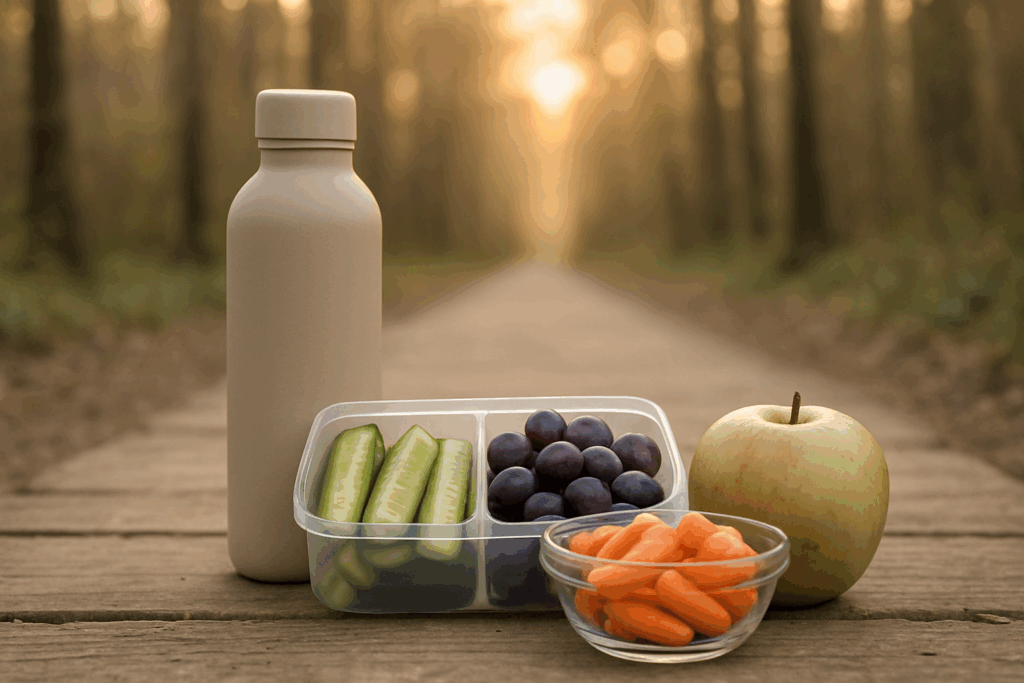
Sunday is your anchor day. Use it. Cook a batch of grains (think rice, quinoa, couscous), prep a couple of sauces (pesto, peanut, marinara), and load up on snacks that actually last like hard boiled eggs, chopped veggies, or energy bites. A bit of front loading saves a ton of weekday scrambling.
Overlap ingredients wherever you can. If you’re browning taco meat on Tuesday, double it and reheat the leftovers as a pasta topping on Wednesday or in a quesadilla on Friday. Roasted veggies? Mix into stir fry or fold into omelets the next day. It’s not cutting corners it’s stretching smart.
And the grocery list? Build a reusable master list sorted by aisle: produce, dairy, proteins, dry goods, etc. It’ll cut your shopping trip to under 40 minutes and keep you from zigzagging the store like a scavenger hunt. Update it as your staples shift, but keep the flow consistent. It’s one list to rule the fridge.
Sample Weekly Plan (Dinner Focused)
Here’s a dinner lineup that keeps things simple, fast, and kid approved. Nothing fancy just dependable meals that work in real life when time is tight and everyone’s hungry.
Monday: Sheet pan chicken, carrots, and potatoes. Toss everything with olive oil and spices, throw it on a tray, bake. One pan, no fuss.
Tuesday: Taco night with DIY toppings. Cook up some ground meat or beans, set out shells, cheese, lettuce, and salsa. Kids build their own less whining, more eating.
Wednesday: Pasta with hidden veggie sauce. Blend in carrots, spinach, or cauliflower with the marinara. Serve with garlic bread if you need extra peace at the table.
Thursday: Stir fry with frozen veggies and teriyaki chicken. Quick cook some rice, heat your favorite frozen stir fry mix, add a pre marinated chicken breast. Done in under 30.
Friday: DIY pizza night with pre made dough. Let everyone add their own toppings. It’s fun, it’s messy, and no one complains about the menu.
These meals take about 30 minutes or less, lean on staples you’ll use again, and leave enough flexibility to swap things out when the week gets weird.
Pro Tips from 2026 Trends
Smart kitchens are getting even smarter. Voice assistants like Alexa and Google Assistant now double as grocery list managers. You’re cooking, you run out of olive oil you just say it. No pen, no phone. The list updates in real time, and you can check it at the store or sync it with grocery apps.
Meal planning apps have also leveled up. Some now let every family member vote on what’s for dinner each week. Goodbye, mealtime stand offs. It’s democratic, fast, and gets more buy in from picky eaters.
Grocery delivery services have taken the hint, too. More of them now offer curated, pre sorted “meal planner” bundles. Instead of shopping for fifteen individual things, you tap a button and get five dinners’ worth of ingredients delivered organized, labeled, and ready to go. Less scrambling, more eating.
Keep It Sustainable, Not Perfect
Meal planning shouldn’t feel like another exhausting task on your to do list. The key to long term success isn’t perfection it’s practicality. Real life with kids is unpredictable, so your meal plan should be flexible enough to handle the unexpected.
Build in Buffer Nights
Whether it’s leftovers or cereal for dinner, every plan needs wiggle room:
Leftovers Night: Choose one evening for finishing up odds and ends. It clears the fridge and saves cooking time.
Low Effort Meals: Keep fast, no prep options on hand (think: frozen ravioli, quesadillas, or breakfast for dinner).
1 2 “Wildcard” Slots: Don’t overschedule every night. Leave space for takeout, last minute changes, or no cook evenings.
Flex with the Flow
No week is exactly the same. Develop a habit of checking in with your family’s calendar and routines:
Adjust meals based on busy evenings, sports practice, or after school events
Swap meals around: just because taco night was Tuesday last week doesn’t mean it can’t be Thursday this week
Use your plan as a guide, not a rigid rulebook
Focus on Function, Not Flawlessness
Forget the Pinterest perfect vision of a color coded fridge and gourmet plated meals. What matters most?
Feeding your family food they enjoy
Avoiding the stress of daily dinner decisions
Making room for togetherness, not tension
A sustainable plan is one that reduces pressure not adds to it. Aim for consistency, not complexity.
Reminder: Done is better than perfect. A simple plan you can stick to beats an ideal plan you’ll abandon by Wednesday.
 Ask Geraldine Cobbertodes how they got into healthy meal ideas for kids and you'll probably get a longer answer than you expected. The short version: Geraldine started doing it, got genuinely hooked, and at some point realized they had accumulated enough hard-won knowledge that it would be a waste not to share it. So they started writing.
What makes Geraldine worth reading is that they skips the obvious stuff. Nobody needs another surface-level take on Healthy Meal Ideas for Kids, Family Activities and Projects, Support Resources for Parents. What readers actually want is the nuance — the part that only becomes clear after you've made a few mistakes and figured out why. That's the territory Geraldine operates in. The writing is direct, occasionally blunt, and always built around what's actually true rather than what sounds good in an article. They has little patience for filler, which means they's pieces tend to be denser with real information than the average post on the same subject.
Geraldine doesn't write to impress anyone. They writes because they has things to say that they genuinely thinks people should hear. That motivation — basic as it sounds — produces something noticeably different from content written for clicks or word count. Readers pick up on it. The comments on Geraldine's work tend to reflect that.
Ask Geraldine Cobbertodes how they got into healthy meal ideas for kids and you'll probably get a longer answer than you expected. The short version: Geraldine started doing it, got genuinely hooked, and at some point realized they had accumulated enough hard-won knowledge that it would be a waste not to share it. So they started writing.
What makes Geraldine worth reading is that they skips the obvious stuff. Nobody needs another surface-level take on Healthy Meal Ideas for Kids, Family Activities and Projects, Support Resources for Parents. What readers actually want is the nuance — the part that only becomes clear after you've made a few mistakes and figured out why. That's the territory Geraldine operates in. The writing is direct, occasionally blunt, and always built around what's actually true rather than what sounds good in an article. They has little patience for filler, which means they's pieces tend to be denser with real information than the average post on the same subject.
Geraldine doesn't write to impress anyone. They writes because they has things to say that they genuinely thinks people should hear. That motivation — basic as it sounds — produces something noticeably different from content written for clicks or word count. Readers pick up on it. The comments on Geraldine's work tend to reflect that.